Lyon Traboules Tour
Route Guide

Traboules Lyon Self Guided Tour

The traboules of Vieux Lyon form a network of covered passageways that cut through Renaissance buildings, connecting parallel streets via interior courtyards and staircases. Most are accessible to the public under agreements with residents, though each functions as a working corridor through private property. This guide maps the routes, locates the unlocked entrances, and explains how to navigate the network independently.

9 min read Updated 2026-08-20 Fact-checked
Traboules Lyon Self Guided Tour

Quick answer

A traboules Lyon self guided tour covers approximately fifteen accessible passageways concentrated in three zones of Vieux Lyon: Saint-Jean, Saint-Paul, and Saint-Georges. The network is free to enter and open daily from 08:00 to 19:00, though individual traboules may close without notice when residents restrict access. Morning visits between 08:00 and 11:00 offer the best chance of finding entrances unlocked and courtyards empty.

Fewer than forty traboules remain publicly accessible in Vieux Lyon, and only half can be reliably entered without prior arrangement. Each passageway operates under a tacit agreement: residents tolerate foot traffic during daylight hours in exchange for respectful conduct and minimal disruption. No ticketing system exists, no maps are posted at entrances, and no single authority controls access. The passageways open and close at the discretion of building managers, making route planning an exercise in contingency rather than certainty. The densest concentration lies along Rue Saint-Jean, the pedestrian spine of the old town, where six traboules link the main street to Rue des Trois Maries and Rue du Bœuf. The most photographed is the traboule at 27 Rue Saint-Jean, a vaulted corridor that emerges onto a Renaissance courtyard with a spiral staircase tower. Further north, the Saint-Paul district holds the longest continuous route: the passageway at 2 Place du Gouvernement threads through four courtyards before exiting on Montée du Gourguillon. The Saint-Georges quarter, south of Place de la Trinité, offers fewer but quieter options, including the traboule at 2 Place de la Trinité, which connects to Rue de la Bombarde through a narrow stone corridor. A practical traboules Lyon self guided tour begins at the northern end of Rue Saint-Jean and works south, testing each marked entrance as you go. Doors that appear locked often yield to a gentle push; those secured with keypads or intercoms are not part of the public network. Inside, courtyards and staircases are photographable, but residential floors above the ground level are private. The passageways see heaviest use between noon and 17:00, when tour groups and school visits overlap. Early morning remains the surest window for unobstructed access and natural light in the courtyards, before the stone walls fall into shadow and building managers begin restricting entry for the evening. The traboules were not designed for tourists. They exist because silk merchants in the sixteenth century needed covered routes to move fabric between workshops and the Saône riverfront without exposing goods to rain. That utilitarian logic persists: residents still use these corridors to reach backstreet parking, and delivery services rely on them for access to interior loading zones. The self-guided visitor navigates a working infrastructure, not a preserved monument, which explains why no official map guarantees open doors and why the route you walked yesterday may be locked today.

“The traboules were not designed for tourists — they exist because silk merchants needed covered routes to move fabric without exposing goods to rain.”
How-to

How to Navigate a Traboules Lyon Self-Guided Tour

Exploring the traboules independently requires locating marked entrances, walking through private corridors respectfully, and exiting onto parallel streets. A typical route covering 4-6 passages takes 45-90 minutes depending on pace and photography stops.

  1. 1

    Locate a marked entrance in Vieux Lyon

    Start from Place Saint-Jean or Rue Saint-Jean and look for small plaques reading "Traboule" or open courtyard doorways. Many famous passages begin near 27 Rue du Bœuf or 54 Rue Saint-Jean.

  2. 2

    Push the door gently and step inside

    Traboule doors are often heavy wood with iron handles. Push firmly but quietly—residents live in these buildings and appreciate discretion during passage.

  3. 3

    Follow the corridor through interior courtyards

    Walk straight through courtyards and stairwells, following the most direct path. If you encounter a locked gate or private apartment door, you've gone too far—backtrack to the public route.

  4. 4

    Exit onto the adjacent street

    The passage will open onto a different street, typically one block over. Note the exit address to map your position before continuing to the next traboule.

  5. 5

    Repeat the route through connected passages

    Chain together 4-6 traboules using a printed map from the tourism office or a dedicated traboule app. Popular routes link Rue du Bœuf to Rue des Trois Maries and Rue Saint-Jean to Quai Romain Rolland.

  6. 6

    Respect closure signs and resident privacy

    Some passages close temporarily for maintenance or at residents' request. If a door is locked or marked "Privé," skip that traboule and move to the next on your route.

Opening hours

Daily Access Hours for Your Traboules Lyon Self-Guided Tour

The traboules in Vieux Lyon are accessible daily, maintaining consistent operating hours to allow for self-guided exploration. Please respect these access windows to ensure these historic passageways remain open to the public.

monday
08:00–19:00
tuesday
08:00–19:00
wednesday
08:00–19:00
thursday
08:00–19:00
friday
08:00–19:00
saturday
08:00–19:00
sunday
08:00–19:00
The traboules close to the public at 19:00 each evening.
Prices

Entrance Fees and Costs for a Traboules Lyon Self-Guided Tour

Access to the traboules in Vieux Lyon is provided through agreements with private residents, meaning no entry tickets or admission fees are required. Visitors explore these historic passages independently at no cost.

Public Access No tickets required for entry
0 EUR
Self-Guided Tours Publicly accessible heritage sites
0 EUR
The traboules remain free of charge for all visitors at all times.

Verdict: A typical adult pays 0 EUR for a self-guided tour, as these are public-access heritage sites.

Timing

Best Time to Start Your Traboules Lyon Self-Guided Tour

The best arrival window is 08:00–11:00, as morning visits are recommended to avoid crowds and ensure access before potential service closures. Exploring during these hours allows for a quieter experience in the narrow corridors of Vieux Lyon.

Weekday mornings

Minimal congestion

Quiet passages offer better navigation and photo opportunities.

Spring (April-May)

Moderate foot traffic

Mild 15°C to 20°C

Enjoy comfortable walking weather before the summer heat.

Autumn (September-October)

Moderate foot traffic

Cool 12°C to 18°C

Crisp air and fewer tourists create ideal exploration conditions.

Weekend afternoons

High pedestrian volume

Narrow spaces become crowded; morning starts are preferred.

Verdict: Tuesday to Thursday, arriving at 08:00 during the months of April or October provides the most reliable access and quietest environment.

What to see

Notable Passages to Include in Your Traboules Lyon Self-Guided Tour

The traboules of Vieux Lyon represent a distinct architectural heritage, featuring Renaissance-era courtyards, spiraling staircases, and vaulted passageways. These sites offer a glimpse into the hidden network that connects the city's historic districts.

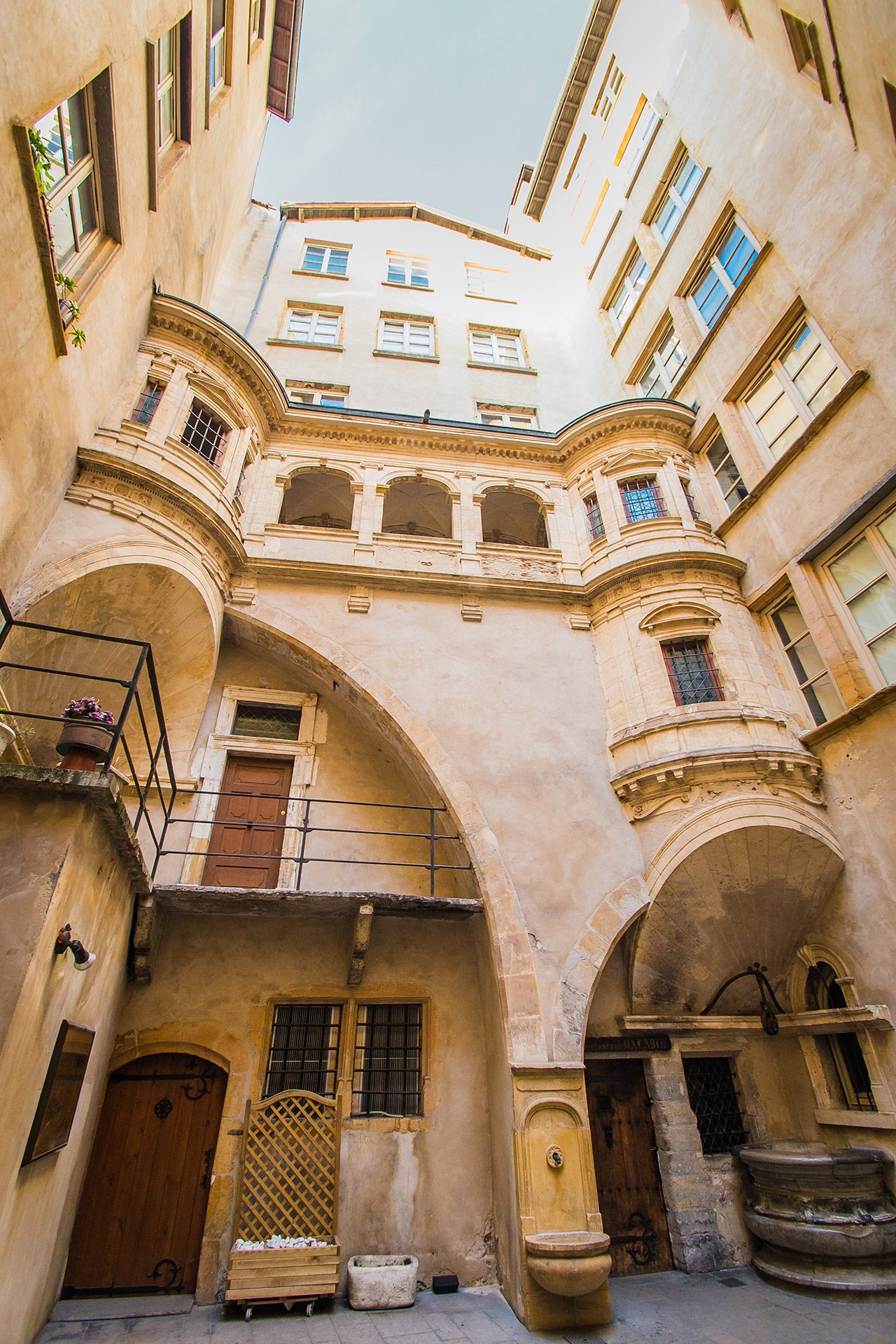
Longue Traboule

Longue Traboule

As the longest passage in Vieux Lyon, this route connects multiple streets through a series of courtyards and corridors. It features transition spaces between different architectural styles from various centuries.

Look up to view the distinct arches connecting the buildings.
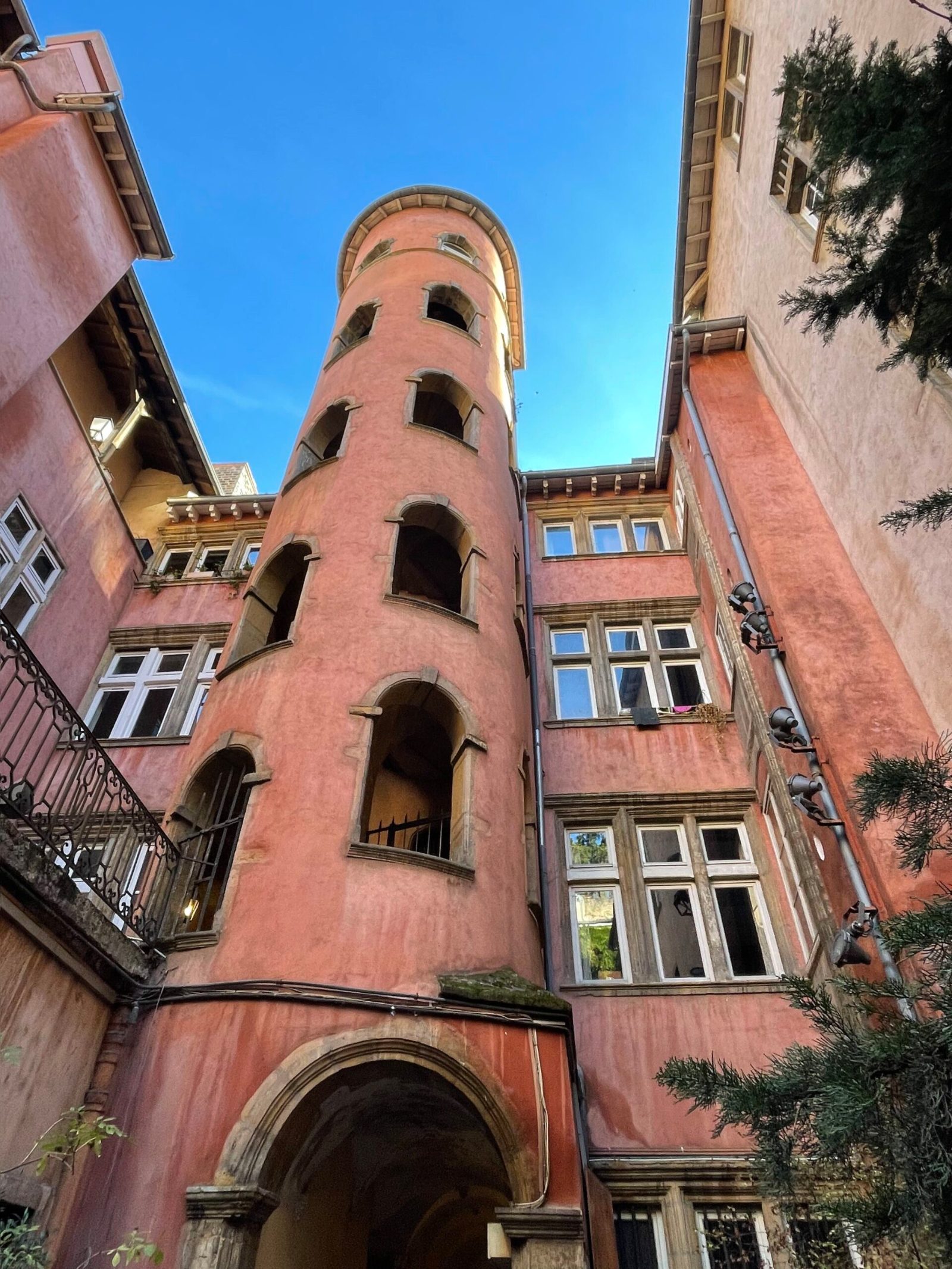
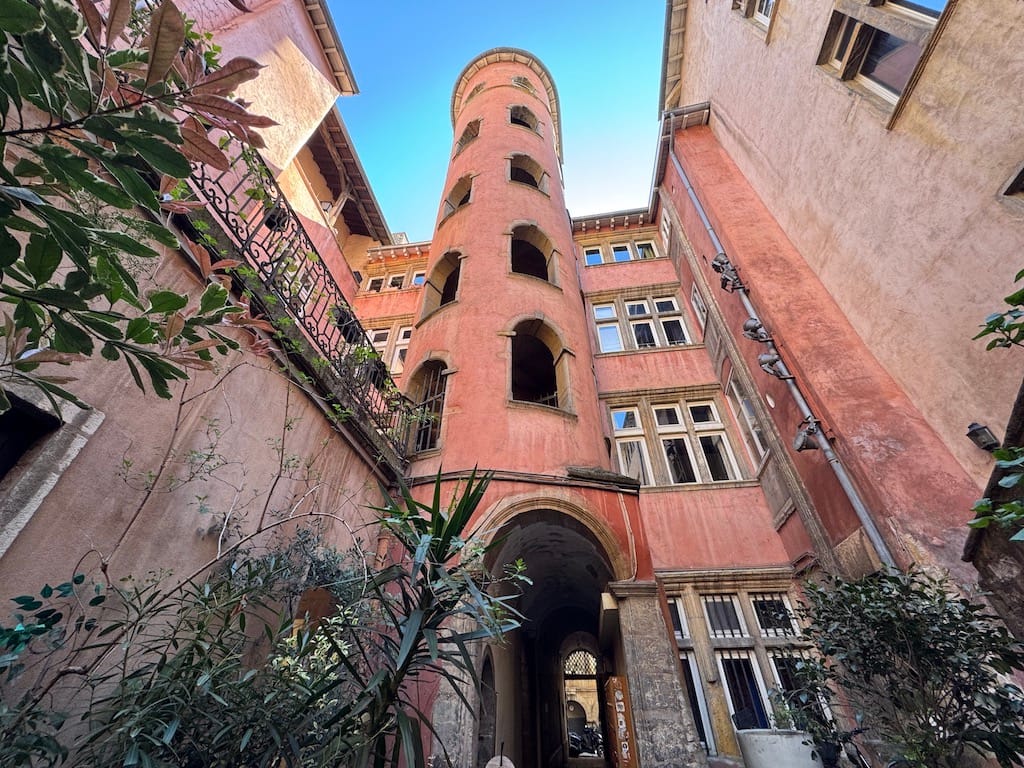
Tour Rose

Tour Rose

Known for its vibrant pink-toned courtyard, this site contains an iconic hexagonal spiral staircase. It is a signature example of Renaissance design within a private residential setting.

Check the courtyard corner for the spiral staircase details.

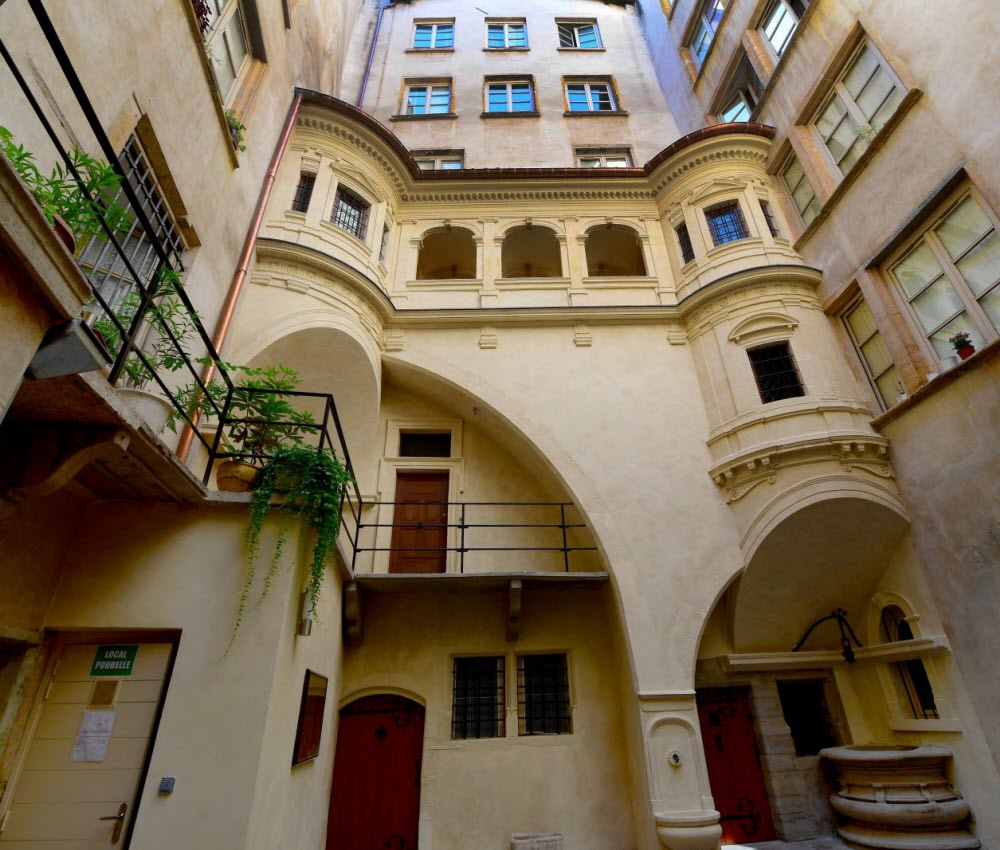
Traboule of the Rue Royale

Traboule of the Rue Royale

This passage provides access to one of the most well-preserved Renaissance courtyards in the district. It highlights the use of stone galleries and Italian-inspired architectural elements.

Focus on the ornate gallery arches during daylight hours.

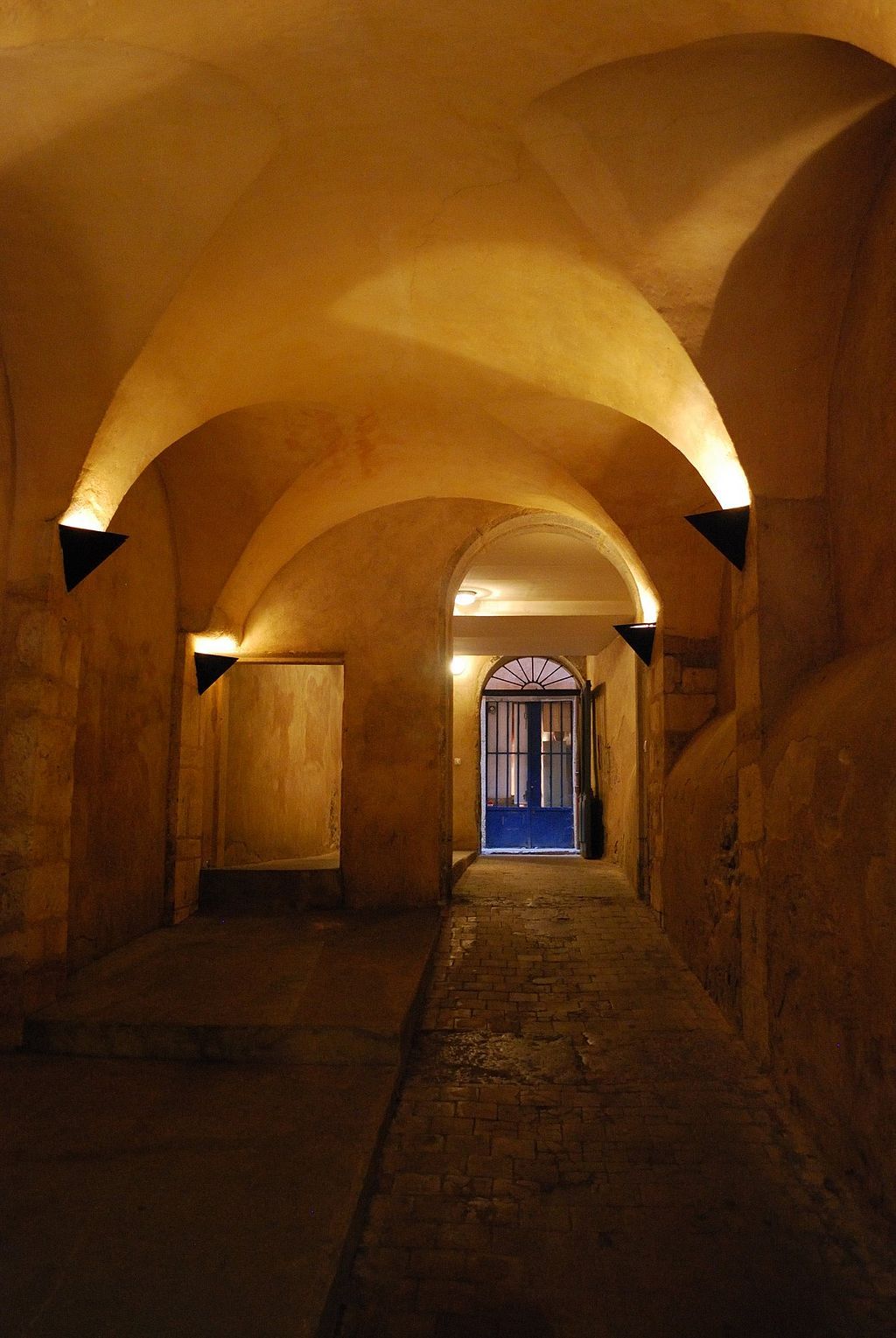
Maison du Crible

Maison du Crible

This location features a courtyard distinguished by its tower and classic Renaissance stone staircase. It demonstrates the structural integration of residential living and vertical movement.

Observe the tower structure from the center of the courtyard.

Etiquette

Essential Etiquette for Your Traboules Lyon Self-Guided Tour

Traboules remain private property accessed by public agreement with residents. Quiet, respectful behavior ensures these historic passages stay open to visitors.

Do

  • Keep noise to an absolute minimum in courtyards and stairwells
  • Close every door gently behind you as you pass through
  • Visit during morning hours when residents are less likely to be disturbed
  • Stay on marked routes and respect any closed or locked doors
  • Photograph courtyards discreetly without lingering or blocking passage

Don't

  • Enter residential areas beyond ground-floor courtyards and staircases
  • Ring doorbells or knock on private apartment doors
  • Gather in large groups that block narrow passages
  • Touch or lean against fragile Renaissance stonework and carvings
  • Visit during early morning or late evening when residents need quiet
Book

Check availability

Frequently asked

Frequently Asked Questions About Exploring Lyon's Hidden Passages

Everything you need to know about traboules lyon self guided tour

Is a traboules lyon self guided tour possible?

Yes, you can easily explore the historic districts on your own. Mapping out a route through Vieux Lyon allows you to discover these architectural curiosities at your own pace.

Do I need to pay for a Lyon hidden passages tour?

Access is entirely free of charge for all visitors. The traboules lyon self guided tour is publicly accessible through specific agreements maintained with local residents to preserve heritage.

When is the best time for a traboules lyon self guided tour?

We recommend starting your visit between 08:00 and 11:00. This early window helps avoid larger crowds and ensures access before potential service closures occur later in the day.

Are these secret corridors open every day?

Yes, these Renaissance passageways are open from 08:00 to 19:00 daily, including weekends. Please respect the residential nature of these sites during your traboules lyon self guided tour.

Is a guided walking tour of Lyon landmarks better than self-guided?

While a formal city historical walking tour offers deep context on silk weaving and architecture, independent exploration provides flexibility. You can choose which hidden courtyards and ornate stairwells to prioritize based on your own interests.

Can children participate in a traboules lyon self guided tour?

Children are welcome to explore these historic shortcut tunnels. Keep in mind that some areas feature uneven stone steps and steep spiral staircases, so sturdy footwear is advised for any family group.

What is the common mistake made during a traboules lyon self guided tour?

The most common error is failing to respect the quiet of the residents. Since these are private homes, visitors should keep noise to a minimum to ensure these passages remain open to the public.

Keep reading

More guides & pages