
2 hr
Lyon City Highlights Walking Tour
Discover Lyon's best landmarks with local father-son guides on an intimate walking adventure.
Reserve
Renaissance courtyards and silk-trade corridors, open daily by resident agreement.
Hand-picked by our editors — only the best 5 traboules experiences from 47 reviewed.
Verified partners for every tour, free cancellation where available, and instant confirmation on every booking.
2 hr
Discover Lyon's best landmarks with local father-son guides on an intimate walking adventure.
Reserve
3 hr
Navigate secret Renaissance passageways with a neighborhood expert who's called this district home for decades.
Reserve
3 hr
Unlock Lyon's secret passageways with an expert anthropologist who knows every hidden courtyard in the city
ReservePrices from verified partners. Availability updates in real time at checkout. Free cancellation policies apply where shown.
The landmarks, rooms, and views travelers on this tour remember — all visible on a single visit.
Connects 54 rue Saint-Jean to 27 rue du Bœuf and crosses five distinct courtyards. It is considered the longest in the Old Lyon district.
Guided tours offer deeper access to hidden corridors, while independent exploration provides the freedom to navigate these Lyon landmarks at your own rhythm. Visitors who prioritize narrative context prefer the guided path, whereas those seeking solitude find the self-guided approach more rewarding.
| Feature | Top pick Tour des Traboules Lyon | Guided Lyon Walking Tours |
|---|---|---|
Access to private areas |
Publicly accessible passageways only | Exclusive access to locked traboules |
Historical context provided |
Requires external research | Detailed narratives from experts |
Flexibility of pace |
Fully self-paced | Fixed itinerary schedule |
Cost |
0 EUR (summer) | 25-45 EUR per person (summer) |
Group size vs privacy |
Solo or small parties | Shared groups of 8-15 people |
Booking requirement |
No tour des traboules lyon tickets | Requires advance reservation |
| See tickets → |
Verdict: Choose a tour des traboules lyon tour if you desire expert storytelling and hidden door access, or opt for solo discovery if you prefer to experience these city passages without the structure of tour des traboules lyon tours.
Choose your ticket, select your date, and reserve in under two minutes. Secure checkout handled by our verified partner.
Instant confirmation by email, with a mobile voucher you can save offline. No printing, no queuing at a collection desk.
Arrive at the entrance, show your voucher on your phone, and walk in. Most tickets include priority or skip-the-line access.
Best time to go, insider tips, nearby landmarks, and the cancellation fine print — flip through to skim what matters to you.
How crowds, weather, and events shift across the year.
Warmer weather makes walking the cobblestone district pleasant. Always aim for the early morning window to avoid peak crowds.
Small details that turn a good visit into a great one.
Keep your voice low at all times. You are walking through private residential courtyards.
Non-bookable sights within a short walk — free to visit, easy to pair.
A Gothic-Romanesque cathedral housing an ancient astronomical clock.
Flexible, no hidden fees.
As public entry to the tour des traboules lyon is free, there is no cancellation or entrance fee involved. Access is provided via municipal agreements for 0 EUR.
Hand-picked options within walking distance — pick a district for vibe, or a specific hotel for convenience.
High-end lodging with panoramic views in the historic old town.
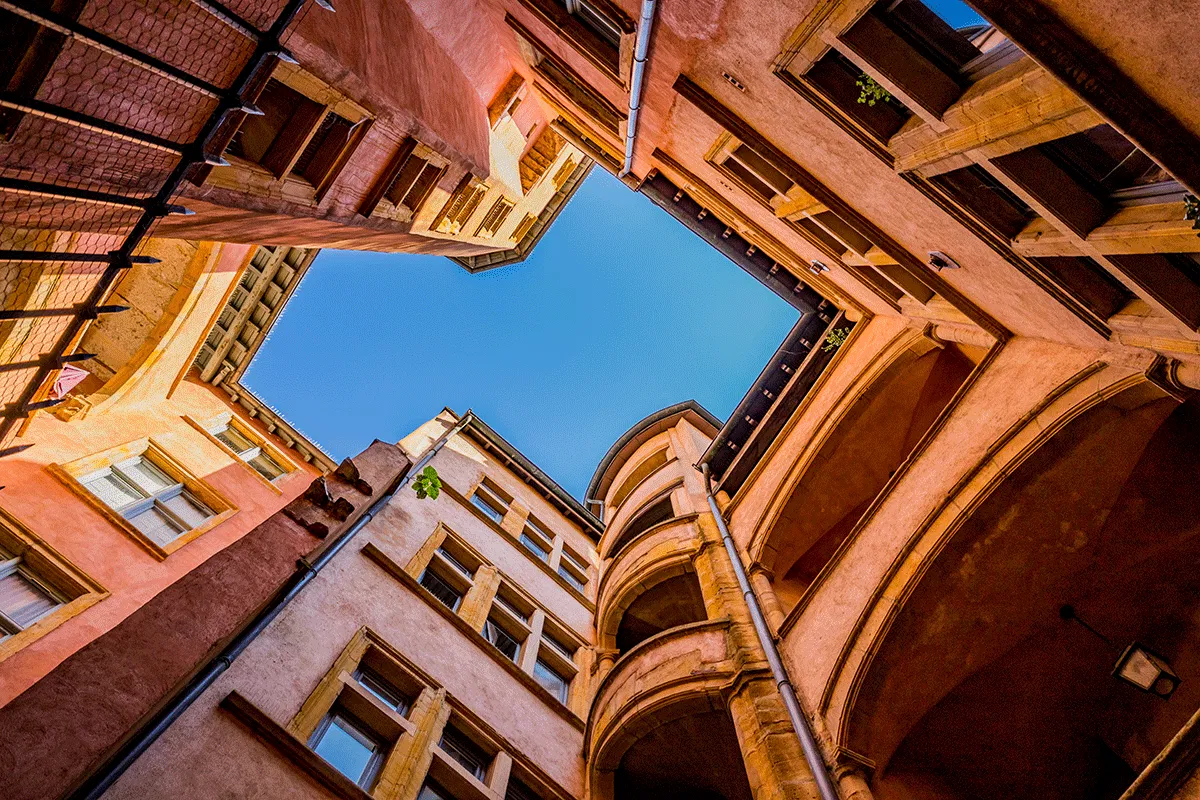
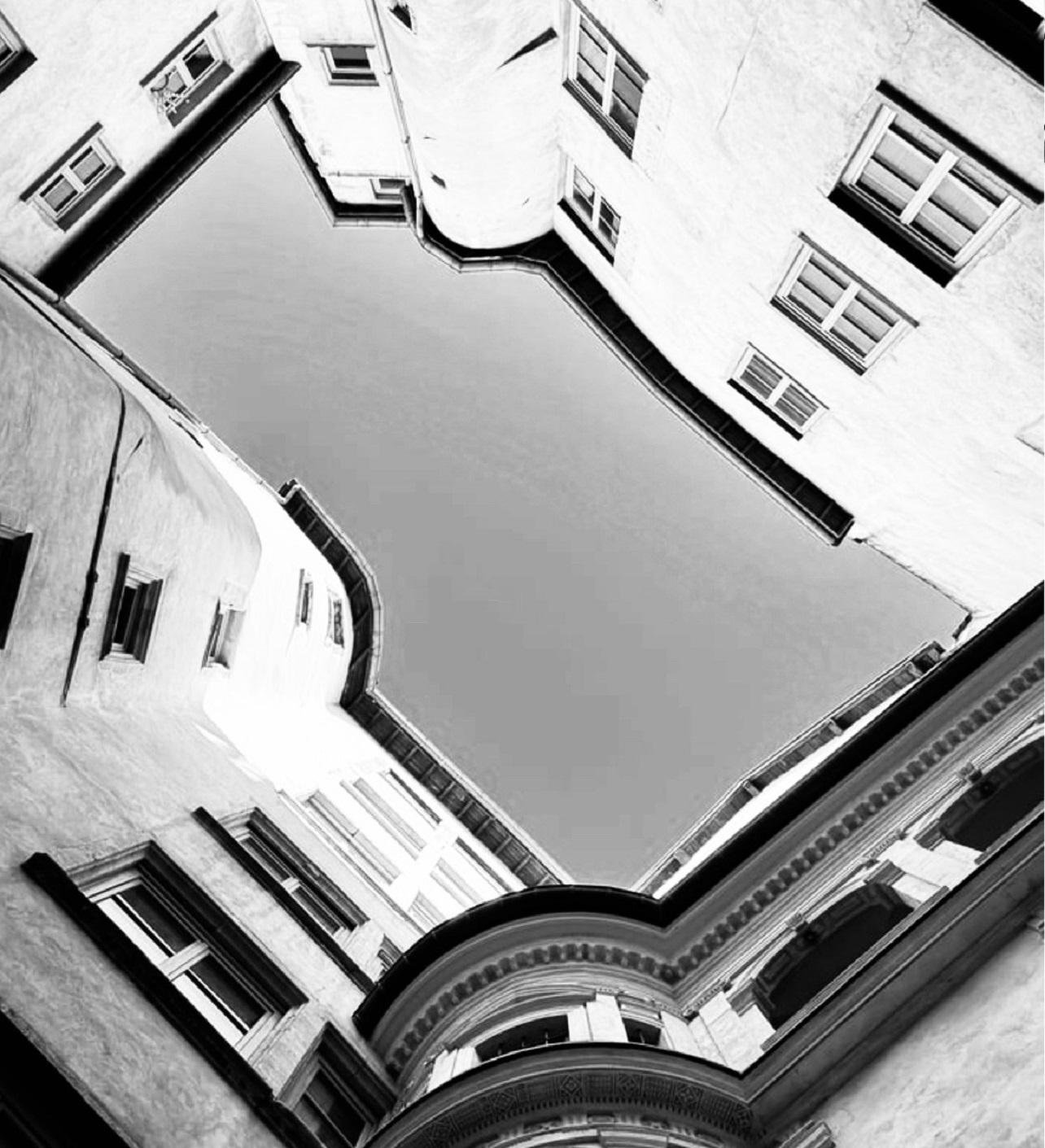
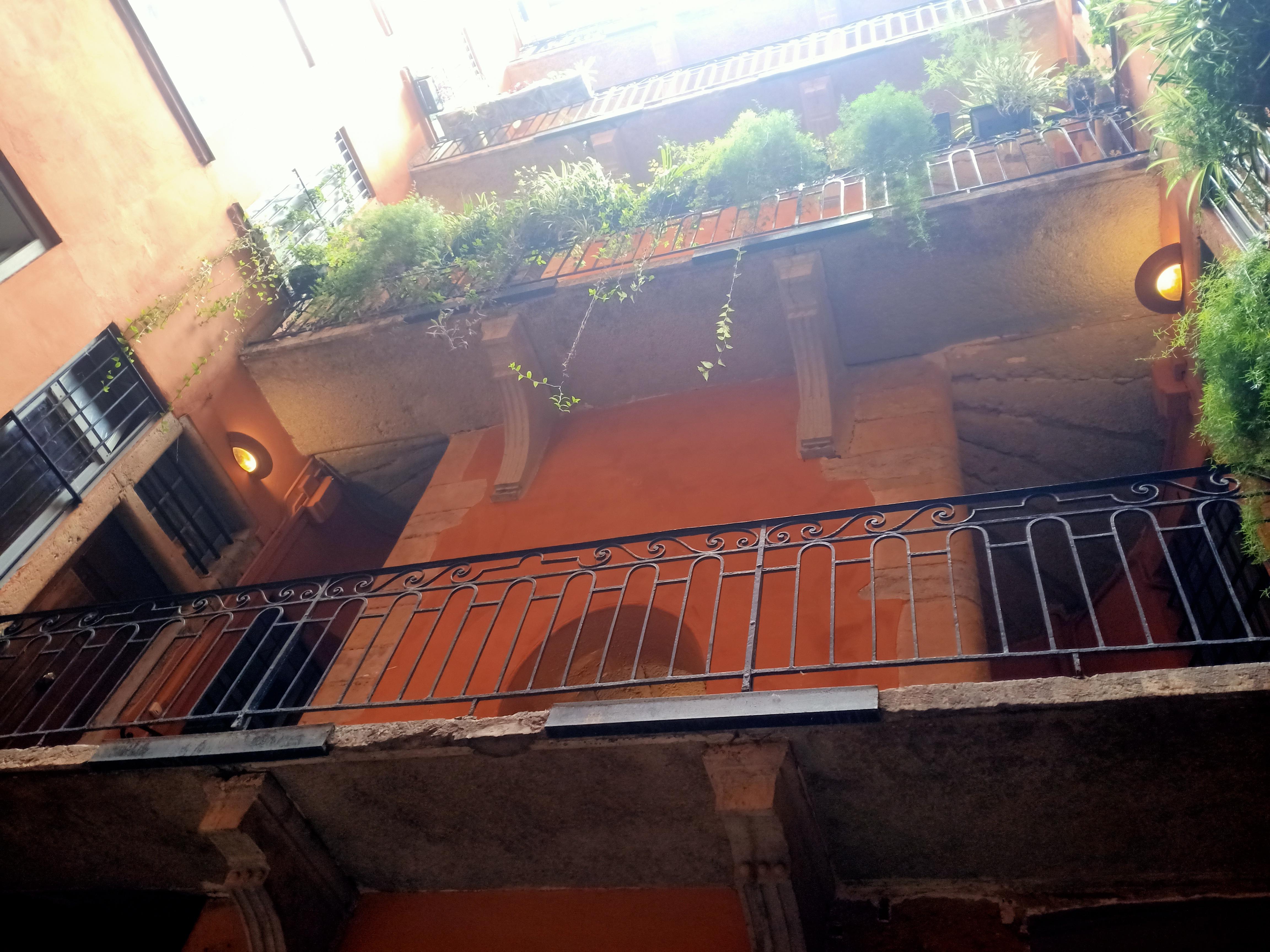
Lyon's traboules were never meant for tourists. Built between the 15th and 19th centuries, these covered passageways connected the silk workshops on the slopes of Fourvière Hill to the trading houses along the Saône, allowing canuts—silk weavers—to transport delicate fabrics without exposing them to rain or mud. The word itself comes from the Latin trans ambulare, to pass through, and in Vieux Lyon alone, more than forty passages thread through Renaissance courtyards, spiral staircases, and vaulted galleries that remain privately owned yet publicly accessible under longstanding civic agreements. The traboules of Vieux Lyon differ sharply from their Croix-Rousse counterparts. Where the latter are utilitarian, steep, and narrow—designed for speed during the 19th-century silk boom—the passageways of the old town are architectural set pieces. Courtyards open onto corbelled timber galleries, stone wells dating to the 1500s, and octagonal towers that once served as private chapels or counting houses. At 27 rue Saint-Jean, the Cour des Loges threads four Renaissance buildings into a single continuous passage, its pink stone columns and open loggias a textbook example of Italianate influence brought north by Florentine bankers in the 1520s. At 54 rue Saint-Jean, the Tour Rose staircase spirals five stories inside a stone turret, its worn treads polished by five centuries of feet. A tour des traboules lyon reveals the city's layered history in three dimensions. These passages served the Resistance during World War II, allowing fighters to move unseen between safe houses and printing presses. Today they remain functional thresholds—residents pass through them daily, and visitors are expected to move quietly, respectfully, and without lingering in entryways or private courtyards. UNESCO recognized Vieux Lyon as a World Heritage Site in 1998, citing the traboules as a rare example of urban planning where private architecture serves a public good. The district's 24 hectares contain more than 300 buildings protected under French heritage law, and the traboules form the connective tissue that makes the quarter navigable on foot without ever touching a main street. Most traboules open at 07:00 and close by 19:00, though access depends on the goodwill of residents who maintain the passages and their courtyards. A guided walk offers context that solitary exploration cannot—guides hold keys to passages that remain locked to casual visitors, explain the Renaissance iconography carved into lintels and doorframes, and know which courtyards allow photography and which do not.
"The traboules form the connective tissue that makes the quarter navigable on foot without ever touching a main street."
Accessibility is limited due to historic stairs and narrow corridors.
Yes, but please be discreet and avoid disturbing the residents.
No, please keep the passageways clean and refrain from eating inside.
Look for the official markers or specific addresses; many are hidden behind heavy doors.
Yes, but children must remain quiet and under supervision.
Yes, guided tour des traboules lyon options are available through local tourism offices.