2 hr
Lyon City Highlights Walking Tour
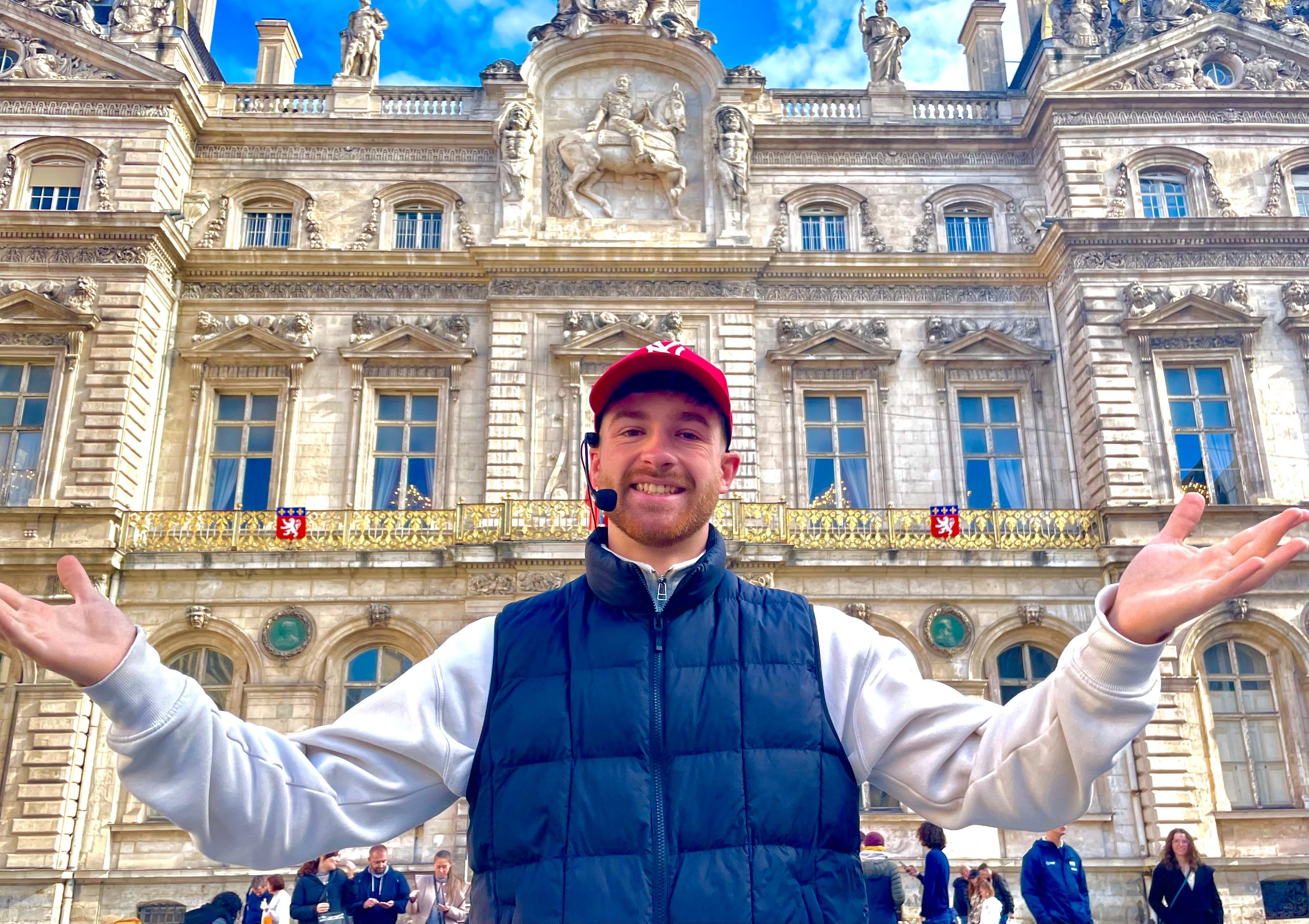
Discover Lyon's history and hidden corners with local guides Aidan or Ryan on this relaxed small-group walk.
Reserve
Hand-picked by our editors — only the best 5 experiences from 18 reviewed.
Verified partners for every tour, free cancellation where available, and instant confirmation on every booking.
2 hr
Discover Lyon's history and hidden corners with local guides Aidan or Ryan on this relaxed small-group walk.
Reserve
1 hr
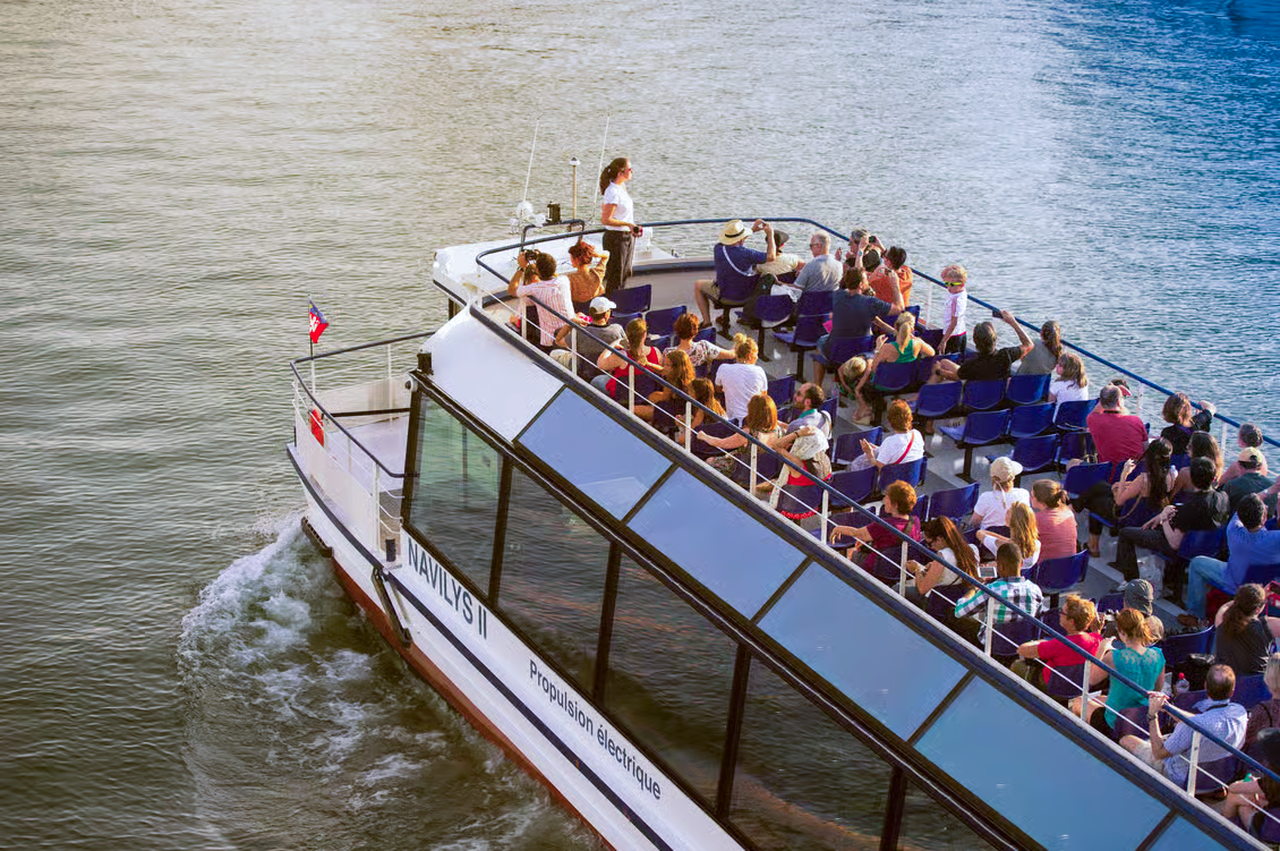
Glide along the Saône and explore two millennia of Lyon's evolution from ancient settlement to modern hub.
Reserve
3 hr
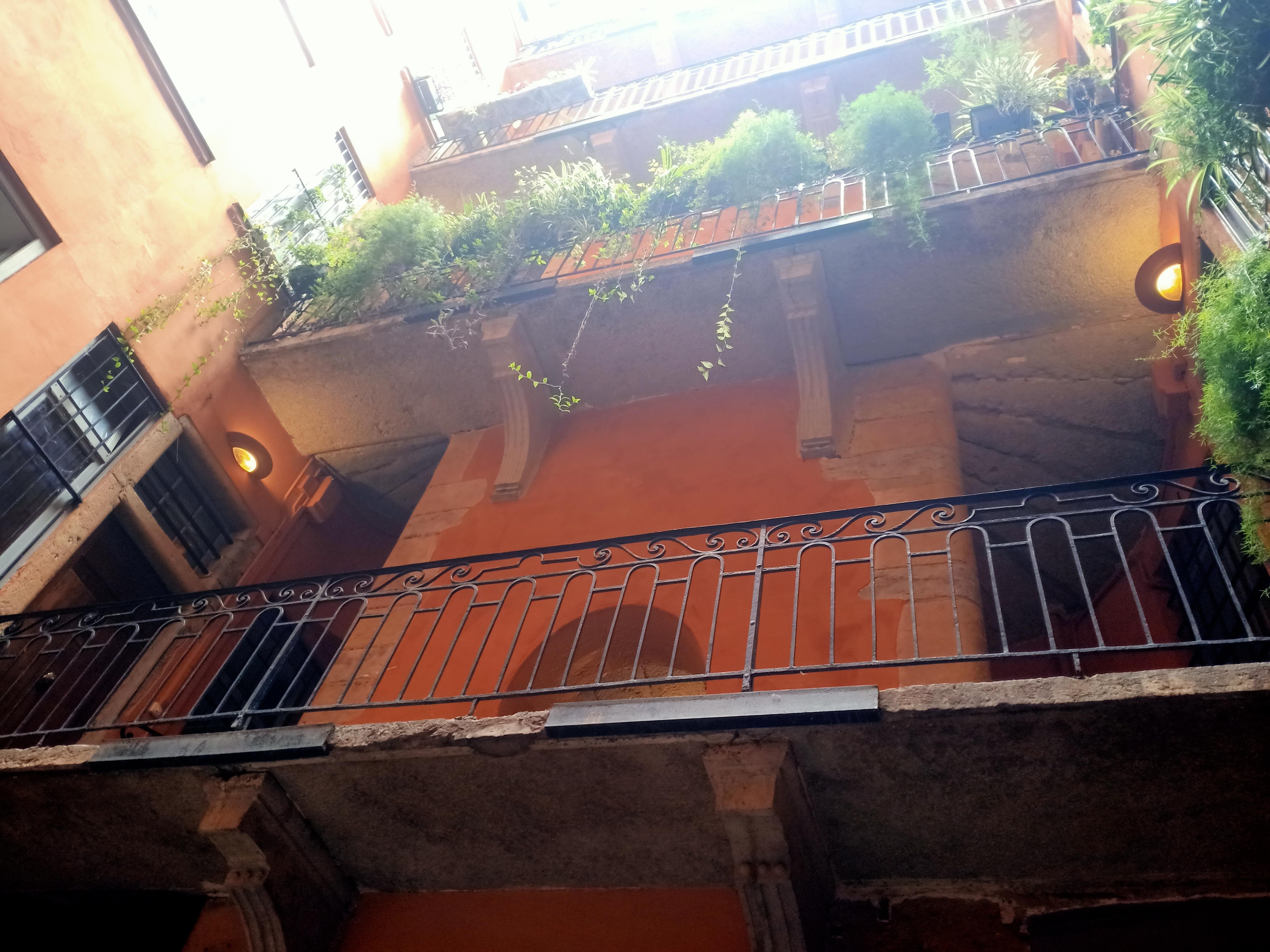
Journey through secret passageways and courtyards with an expert anthropologist who knows every traboule in the city
ReservePrices from verified partners. Availability updates in real time at checkout. Free cancellation policies apply where shown.
The landmarks, rooms, and views travelers on this tour remember — all visible on a single visit.
The most famous traboule in the area featuring a striking stone staircase and vaulted ceilings.
The longest passage in Vieux Lyon, stretching across four buildings and four courtyards.
A historic residence showcasing a beautiful spiral staircase and period architectural details.
Features elegant Renaissance-style galleries and stone arches typical of the 16th century.
The heart of the district offering access to multiple hidden courtyards behind unassuming doors.
The walking experience provides deeper architectural immersion, while the panoramic bus offers a broader overview of the city's topography. Most visitors find that combining a lyon panoramic tour with traboules visit with a bus ride covers both intimate details and grand vistas.
| Feature | Top pick Traboules Walking Tour | Panoramic Bus & Funicular |
|---|---|---|
Perspective |
Ground-level architectural detail | High-elevation city views |
Physical Effort |
High due to staircases | Low as most transit is motorized |
Depth of Local History |
High focus on hidden passageways | High focus on general city monuments |
Accessibility |
Limited for those with mobility issues | High via vehicle and funicular access |
Transit Options |
None required | Bus and funicular ride included |
Target Audience |
History and architecture enthusiasts | Sightseers wanting quick city coverage |
| See tickets → |
Verdict: Choose the lyon panoramic tour with traboules visit tours if you prefer exploring secret Renaissance architecture on foot, or select the panoramic bus and funicular tour if you desire a convenient overview of Lyon landmarks.
Choose your ticket, select your date, and reserve in under two minutes. Secure checkout handled by our verified partner.
Instant confirmation by email, with a mobile voucher you can save offline. No printing, no queuing at a collection desk.
Arrive at the entrance, show your voucher on your phone, and walk in. Most tickets include priority or skip-the-line access.
Practical details for your visit straight from our verified partners — hours, access, rules, and how to get there.
No specific dress code, though comfortable walking shoes are recommended for cobblestone streets and stone staircases.
No security checkpoints exist for public traboules. Keep personal belongings secure and carry minimal items.
Photography is permitted for personal use. Respect the privacy of residents and avoid taking photos of private apartment interiors.
These historic passageways are not accessible to those with limited mobility due to narrow corridors, uneven surfaces, and steep staircases.
Families are welcome to explore. Keep children close and ensure they remain quiet while walking through the courtyards.
No food or drink facilities are located within the passageways. Consumption is prohibited to maintain the cleanliness of the historic site.
Best time to go, insider tips, nearby landmarks, and the cancellation fine print — flip through to skim what matters to you.
Flexible, no hidden fees.
Publicly accessible traboules are free to enter. No cancellation policy applies as no tickets are required for these independent visits.
Vieux Lyon's traboules — the covered passageways linking rue Saint-Jean to the Saône quays — were built by Italian silk merchants in the sixteenth century to transport bolts of fabric without exposing them to rain. Today, fewer than forty remain open to the public, their vaulted ceilings and spiral staircases preserved behind unmarked wooden doors. A Lyon panoramic tour with traboules visit unlocks these Renaissance corridors, many still accessed through residential courtyards where iron wells and carved lintels carry the coats of arms of banking families who financed Francois I's Italian campaigns. The quarter earned UNESCO World Heritage designation in 1998 not for a single monument but for the density of its urban fabric: three parallel streets running two kilometres beneath the Fourvière hill, their footprint unchanged since 1550. Traboules at 27 rue du Bœuf and 54 rue Saint-Jean reveal the galleried courtyard typology that defined Lyonnais domestic architecture, with helical staircases rising four storeys in stone wells barely three metres wide. Architects call them vis à jour — daylit screws — because each tread cantilevers from a central newel, the structure held by its own spiral geometry. During the Resistance, traboules became escape routes; printshops on rue de Gadagne used them to move clandestine newspapers from basement presses to safe houses across three blocks. Today, traboules tours pair the passageways with ascents to the Fourvière esplanade, where the nineteenth-century basilica commands sightlines across the Presqu'île to the Alps. The hill itself is Roman Lugdunum's original forum site, its two ancient theatres still visible on the eastern slope. Morning light favours photography in the courtyards; by midday, the stone absorbs heat and the passages offer cool relief. Tour itineraries typically begin at Place Saint-Jean, thread through five to seven traboules, then climb the montée du Gourguillon — a medieval ramp street — to reach the basilica terrace. The descent follows either the Montée des Chazeaux or the funicular, depending on the route. Visitors walking independently should note that traboule doors lock at dusk; guided walks ensure access and interpret the heraldry and construction details that casual passersby miss.
"Fewer than forty traboules remain open to the public, their vaulted ceilings preserved behind unmarked wooden doors."
A step-by-step walkthrough of the visit — what you'll see, how long each stage takes, and the details that matter.
You meet your group at the base of the cathedral, where rue Saint-Jean begins its climb toward the hill. Your guide pushes open an unassuming wooden door at number 27, and you step into a vaulted corridor lit by a single oculus. The passage opens onto a cobbled courtyard where a stone well sits beneath three tiers of galleried balconies, each corner carved with a salamander — Francois I's emblem. You cross the courtyard and pass through a second archway, emerging two streets over without ever stepping onto the pavement. The route continues through four more traboules, each with its own spiral staircase and ceiling geometry. At 54 rue Saint-Jean, you pause to examine the helical newel, its limestone treads worn smooth by five centuries of use. Your guide explains the silk trade logistics: how merchants moved forty-kilo bales from loom to quay in under ten minutes using these shortcuts. You exit the final traboule and begin the climb to Fourvière, taking the montée du Gourguillon's switchback ramps. At the basilica terrace, the city unfolds below — the Saône curving past ochre façades, the Presqu'île stretching north, the Alps visible on clear days. You spend fifteen minutes at the overlook before descending through the Roman theatre ruins, the amphitheatre's stone tiers still intact beneath the pines.
The publicly accessible traboules are open daily from 07:00 to 19:00.
Yes, there is 0 EUR entrance fee for publicly accessible traboules in Vieux Lyon.
We recommend arriving between 08:30–11:30 to avoid peak tourist crowds and enjoy better light in the courtyards.
Visitors must remain quiet and respect the residential nature of these historic passages.
Public access is free and independent; check the official site for guided lyon panoramic tour with traboules visit options.
Families are welcome, but be aware that the terrain is uneven and not stroller-friendly.
Bring comfortable walking shoes, a camera, and a flashlight to better navigate darker corners.
Yes, you may use your phone or camera, but please be respectful of the private residents living in the buildings.
The district is easily reached via Metro line D at the Vieux Lyon station.