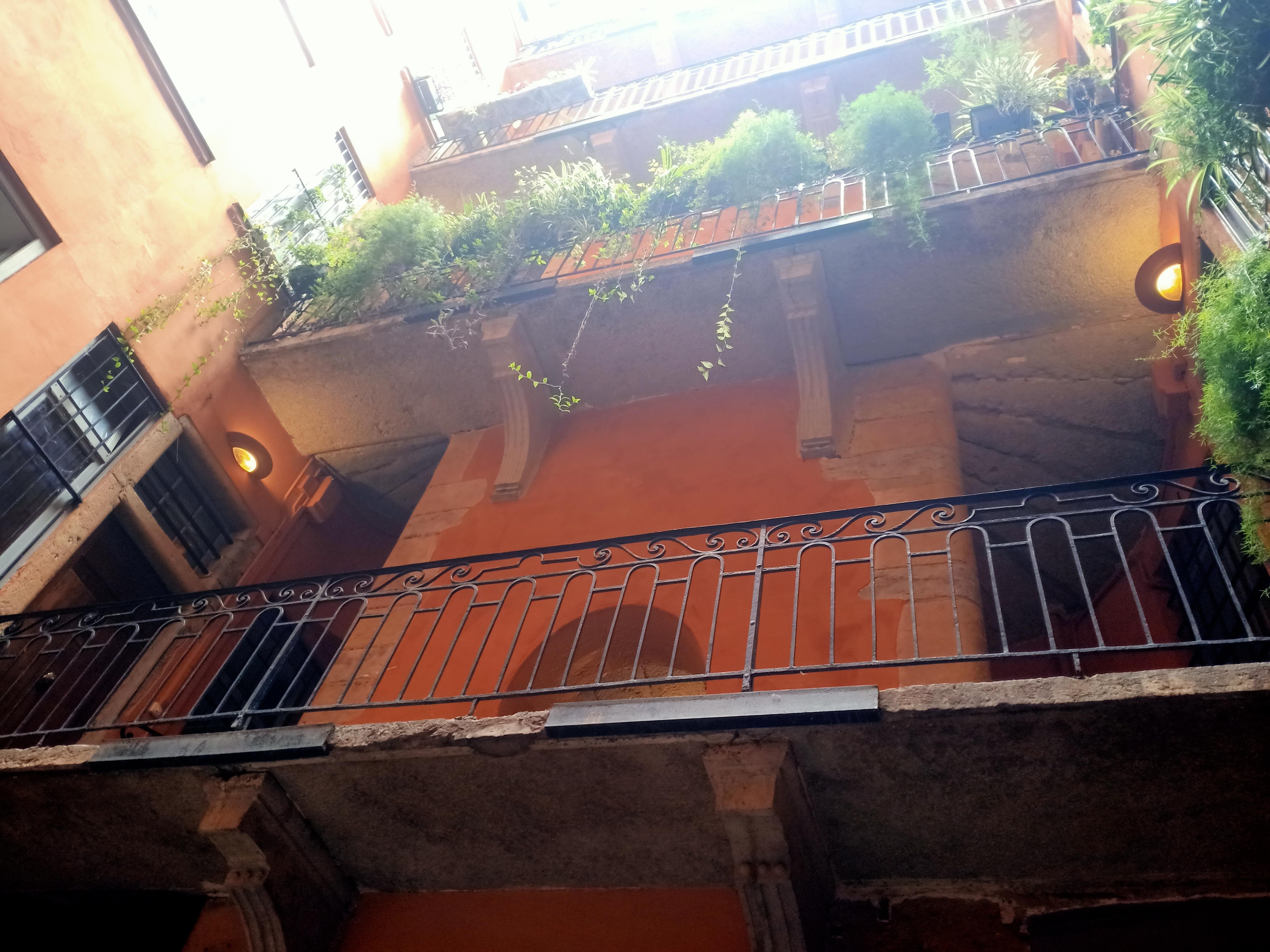
Lyon Traboules Tour
Tours & tickets

Hand-picked by our editors — only the best 5 walking experiences from 42 reviewed.

Open today 07:00–19:00
Attendance: Moderate — summer peak season
Expect narrow, dimly lit stone passages and uneven historic steps.
Free cancellation Instant confirmation Mobile voucher Verified partner Book now, pay later
Tickets

Choose your ticket

Verified partners for every tour, free cancellation where available, and instant confirmation on every booking.

Lyon City Highlights Walking Tour 2 hr
Guided Experience

Lyon City Highlights Walking Tour

4.9 (1202)
€22
per person
Instant Mobile voucher Flexible — change up to 24h

Discover Lyon's Roman ruins, Renaissance secrets, and modern charm with local father-son guides

Reserve
Hidden Traboules and Renaissance Treasures of Old Lyon 3 hr
Standard Entry

Hidden Traboules and Renaissance Treasures of Old Lyon

4.9 (56)
€20
per person
Instant Mobile voucher Flexible — change up to 24h

Uncover Lyon's secret passageways and Renaissance courtyards with an expert guide who knows every traboule

Reserve

Prices from verified partners. Availability updates in real time at checkout. Free cancellation policies apply where shown.

Highlights

What you'll see inside the attraction

The landmarks, rooms, and views travelers on this tour remember — all visible on a single visit.

The Long Traboule

This famous passage connects 54 Rue Saint-Jean to 27 Rue du Bœuf, spanning through four different buildings and three courtyards.

La Tour Rose

Known for its distinctive pink-colored tower and stunning Renaissance courtyard, this is a highlight of Old Lyon architecture.

Maison du Chamarier

A remarkable 15th-century residence featuring a Gothic well and ornate architectural details within a quiet courtyard.

Maison des Avocats

This building complex houses intricate Renaissance galleries and remains one of the most photographed spots in the district.

Cour des Voraces

While located in the Croix-Rousse, it is the most iconic example of the silk-worker traboules with a massive wooden stairwell.

Head to head

Lyon Traboules Guided Tour vs. Independent Exploration: Choosing Your Vieux Lyon Experience

They complement each other; most visitors who choose a lyon traboules guided tour find the narrative depth superior to the quiet, solitary nature of independent discovery.

Feature Top pick Guided Tour Independent Exploration
Historical Insight
Relies on maps or intuition
Pace and Flexibility
Full personal freedom
Navigation Difficulty
Challenging without prior knowledge
Cost
0 EUR (Free entry to public traboules)
Crowd Interaction
Navigate at own discretion
Local Secret Access
Restricted to public-access corridors

Verdict: Select a professional lyon traboules guided tour tour for rich heritage storytelling, or choose independent travel if you prefer to navigate these Renaissance landmarks without lyon traboules guided tour tickets.

How your ticket works

Book your ticket in 3 steps

  1. 01

    Book online

    Choose your ticket, select your date, and reserve in under two minutes. Secure checkout handled by our verified partner.

  2. 02

    Receive your mobile voucher

    Instant confirmation by email, with a mobile voucher you can save offline. No printing, no queuing at a collection desk.

  3. 03

    Show & enter

    Arrive at the entrance, show your voucher on your phone, and walk in. Most tickets include priority or skip-the-line access.

Plan your visit

Everything you need to know before you go

Practical details for your visit straight from our verified partners — hours, access, rules, and how to get there.

Open today · 07:00–19:00
Opening Hours
07:00–19:00
Address
Vieux Lyon (Old Town), 69005 Lyon, France
Accessibility
Not wheelchair accessible
Arrival
07:00–12:00
Security
No lockers available
Navigation
Public traboules marked with bronze plaques
Mon
07:00–19:00
Tue
07:00–19:00
Wed
07:00–19:00
Thu
07:00–19:00
Fri
07:00–19:00
Sat
07:00–19:00
Sun
07:00–19:00
Location

Address
Vieux Lyon (Old Town), 69005 Lyon, France
Security
No lockers available
Navigation
Public traboules marked with bronze plaques

Dress code

Wear comfortable walking shoes suitable for cobblestone streets and stone staircases. Dress respectfully as these are residential areas.

Bags & security

Keep belongings secure and avoid carrying large bags, as many passages are extremely narrow. Be aware that most traboules are part of private, occupied apartment buildings.

Photography

Photography is permitted for personal use, but please be discreet and avoid capturing residents or private interiors. Flash photography is discouraged in dark, historic corridors.

Accessibility

The historic design of these passages makes them unsuitable for wheelchairs or strollers. Expect steep, narrow staircases and uneven thresholds throughout your lyon traboules guided tour.

What to bring

  • flashlight
  • comfortable walking shoes
  • water bottle
  • camera
  • small bag
  • charged smartphone

Not allowed

  • loud speakers
  • large suitcases
  • tripods
  • drones
  • spray paint
  • bicycles
  • scooters
  • prohibited smoking items
  • offensive signage

Families & strollers

While children are welcome, the uneven terrain and dark, narrow passages require close supervision. A lyon traboules guided tour is a great way to introduce older children to local history.

Food & drink

There are no food or drink facilities inside the traboules. Please refrain from eating or drinking while navigating these residential passages.

Around your visit

Everything else worth knowing

Best time to go, insider tips, nearby landmarks, and the cancellation fine print — flip through to skim what matters to you.

Cancellation policy

Flexible, no hidden fees.

Public access to traboules is free of charge (0 EUR). For a booked lyon traboules guided tour, please refer to the specific cancellation terms provided by your tour operator at the time of purchase.

About

The place, in context

Lyon's traboules — covered passageways threading through entire city blocks — were born from geography and commerce. Built between the 15th and 19th centuries, these corridors allowed silk weavers to transport their delicate fabrics from hillside workshops to riverside docks without exposing them to rain or mud. The word itself derives from the Latin trans ambulare, to pass through. What began as utilitarian shortcuts evolved into architectural marvels, particularly in Vieux Lyon, where Renaissance merchants commissioned elaborate vaulted ceilings, spiral staircases, and inner courtyards adorned with Italianate loggias and stone wells. Today, roughly 40 traboules remain accessible to the public in the Old Town, protected as part of a UNESCO World Heritage Site designated in 1998. The most celebrated examples line Rue Saint-Jean and Rue du Bœuf, where doorways marked with discreet plaques invite pedestrians into networks that can span four or five buildings in a single unbroken line. These passages reveal a layered history: Roman foundations support medieval load-bearing walls, which in turn anchor Renaissance façades decorated with medallions, pilasters, and corbelled turrets. The Cour des Loges, now a luxury hotel, preserves four interconnected courtyards spanning the 14th to 17th centuries, each with its own architectural vocabulary. A lyon traboules guided tour offers context that independent exploration cannot. Many passages are semi-private, accessible only during service hours, and their historical significance — the role of traboules in the 1831 Canuts revolt, their use by the French Resistance during the Second World War — is invisible without a guide. The tours navigate not only space but time, linking the silk economy's peak in the 18th century to the quartier's postwar decline and its revival as a heritage district. Guides unlock doors that remain closed to casual visitors, explain the symbolism encoded in Renaissance stonework, and trace the routes that smugglers, revolutionaries, and silk merchants once traveled. The architectural density of Vieux Lyon rewards slow observation. Pink Cusy limestone, quarried from nearby hillsides, dominates façades, its warm hue shifting with the light. Inner courtyards feature puits (wells), exterior staircases with wrought-iron balustrades, and galleries supported by carved wooden beams. Some traboules retain their original cobblestones, worn smooth by centuries of foot traffic. Others have been restored with modern drainage but preserve the spatial logic of the Renaissance: narrow entries that expand into daylit courtyards before contracting again into exit corridors. This rhythm of compression and release defines the traboule experience, a sequence of thresholds that transforms a ten-minute walk into an architectural pilgrimage.

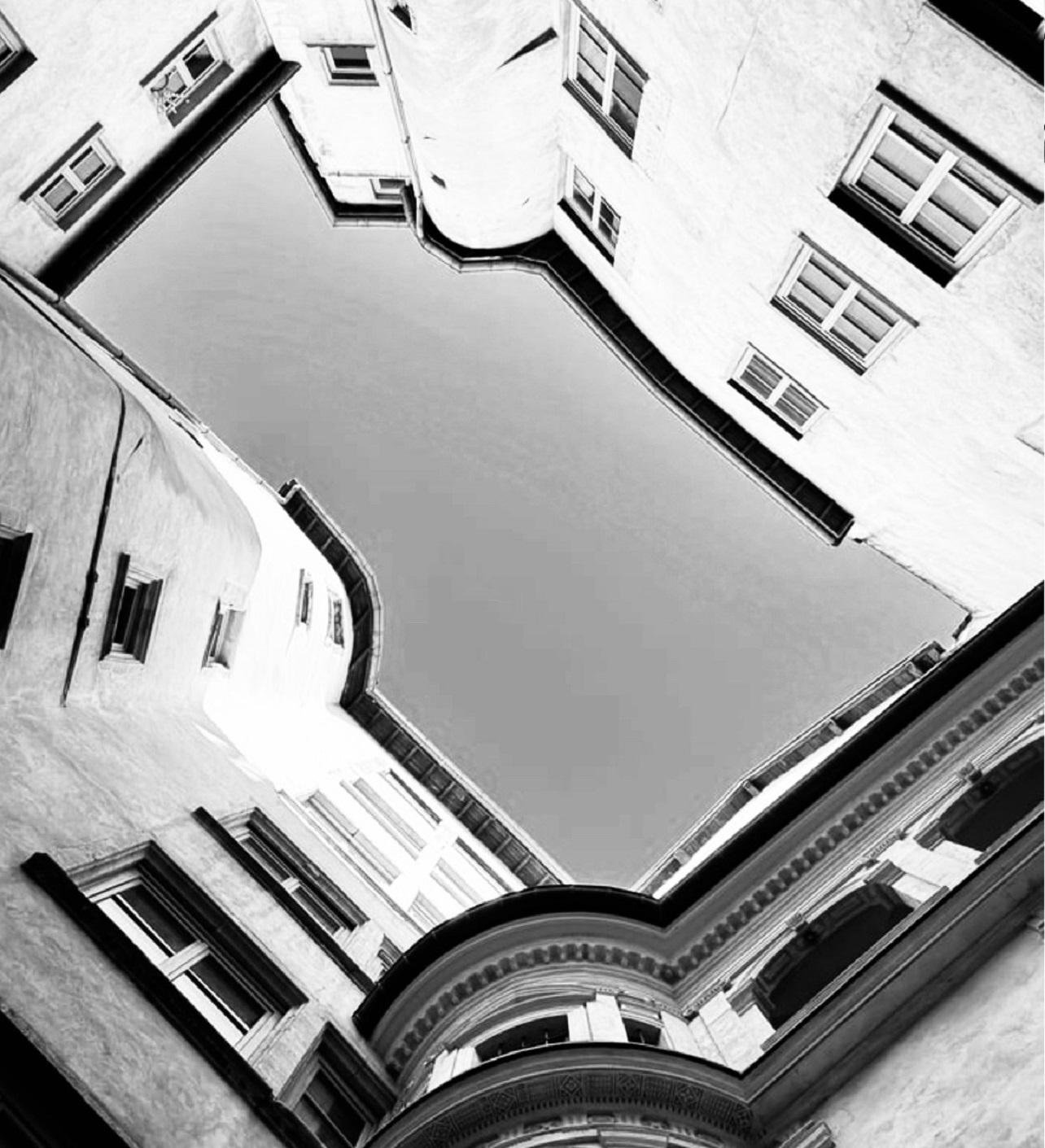
"These corridors allowed silk weavers to transport their delicate fabrics from hillside workshops to riverside docks without exposing them to rain or mud."
Your experience

What a tour day looks like

A step-by-step walkthrough of the visit — what you'll see, how long each stage takes, and the details that matter.

You meet your guide on Place Saint-Jean, where the cathedral's Gothic façade anchors the square. The group is small, usually no more than twelve, and your guide carries a laminated map marking the day's route. You step through an unmarked doorway at 27 Rue du Bœuf, and the street noise drops away. The first corridor is narrow, barely two meters wide, its vaulted ceiling supported by stone ribs. Daylight filters through a grille set into the far wall. You emerge into a courtyard framed by four-story façades. A stone well occupies the center, its wrought-iron canopy dated 1678. Your guide points to the corner tourelle, a corbelled turret that once housed a private staircase. You cross the courtyard and enter a second passageway, this one lit by small windows set high in the wall. The floor slopes gently downward, following the hill's contour toward the Saône. The tour continues through three more traboules, each with its own character. One features a spiral staircase with carved wooden balusters. Another opens onto a gallery with Italianate columns. Your guide pauses at a plaque commemorating Resistance fighters who used these passages to evade German patrols. You exit onto Rue Saint-Jean, two blocks from where you entered, having traveled a hidden route that compressed five centuries into thirty minutes.

Frequently asked

Frequently asked questions about lyon traboules guided tour tours

Are the traboules in Vieux Lyon free to visit?

Yes, entrance is 0 EUR for all publicly accessible passages in Vieux Lyon.

What are the best hours for a lyon traboules guided tour?

We recommend an arrival between 07:00–12:00 for your lyon traboules guided tour to ensure better access and fewer crowds.

Is it possible to explore these secret passages alone?

Yes, you can explore independently, but a lyon traboules guided tour provides deeper historical context and easier navigation of hidden entrances.

Are the traboules accessible for strollers?

No, the traboules are not stroller or wheelchair accessible due to their narrow, steep, and historic nature.

Why should I book a lyon traboules guided tour?

A lyon traboules guided tour helps you find the most significant architectural highlights, like Renaissance courtyards, that are easily missed.

How do I identify a public traboule?

Look for small, shield-shaped bronze plaques near the entrance which indicate the passage is open to the public.

Are there bathrooms inside the passages?

No, there are no public restrooms or amenities located inside these private residential passages.

Can I take a lyon traboules guided tour with children?

Yes, but ensure they are comfortable with stairs and uneven walking surfaces during your lyon traboules guided tour.

What happens if I visit outside of the recommended hours?

Passages are closed outside 07:00–19:00 and will be inaccessible to visitors.

Which landmarks can I combine with a lyon traboules guided tour?

Combine your lyon traboules guided tour with visits to the nearby Saint-Jean Cathedral or the Fourvière hill.