
2 hr
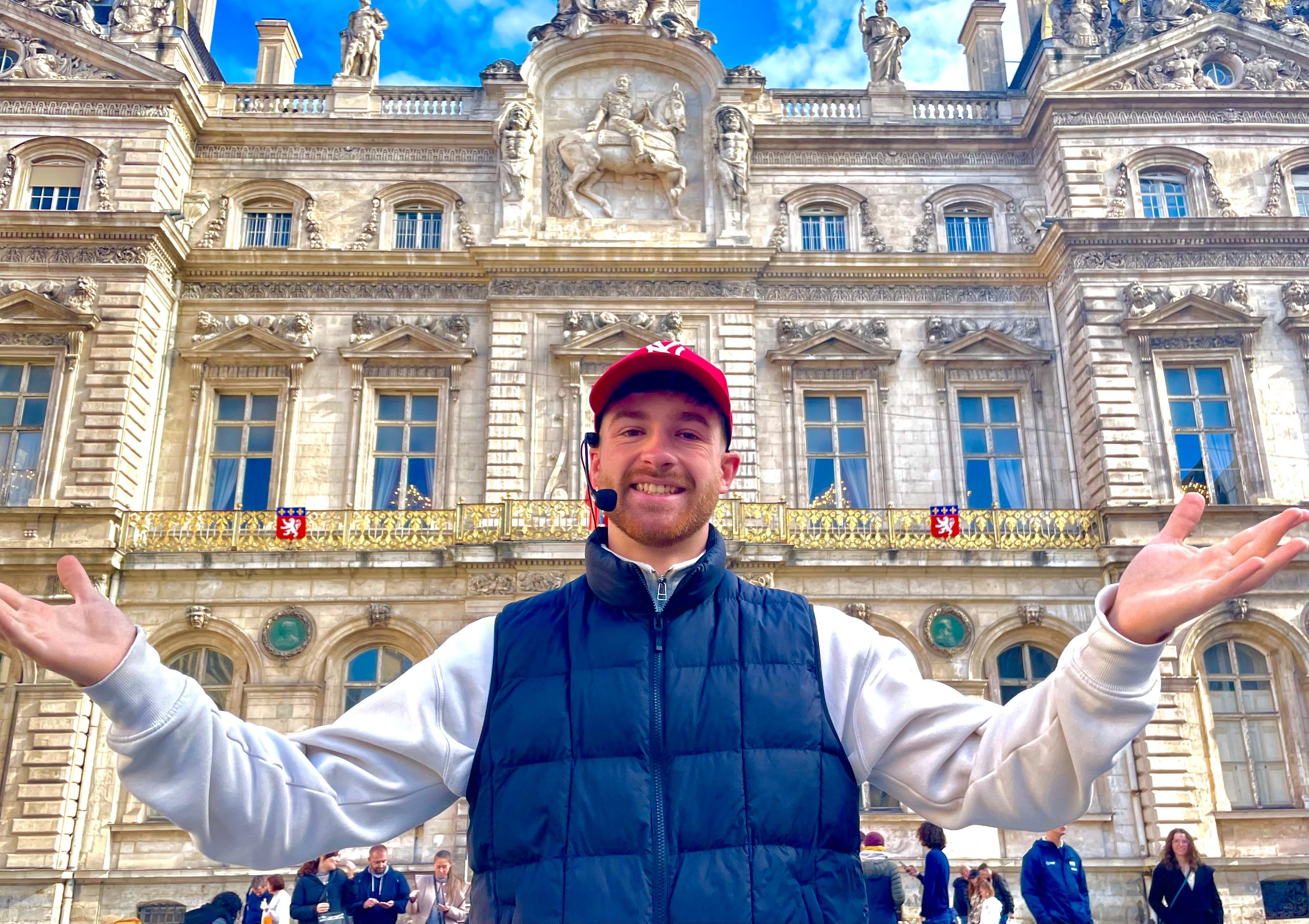
Lyon Highlights Walking Tour with Local Guides
Discover Lyon's secrets with father-son guides who reveal hidden traboules and local favorites
Reserve
Hand-picked by our editors — only the best 5 traboule tours from 27 reviewed.
Verified partners for every tour, free cancellation where available, and instant confirmation on every booking.
2 hr
Discover Lyon's secrets with father-son guides who reveal hidden traboules and local favorites
Reserve
3 hr
Navigate Lyon's secret Renaissance passageways with a local guide who's called this quarter home for decades
Reserve
3 hr
Uncover Lyon's secret architectural treasures with an expert guide who knows every hidden traboule
ReservePrices from verified partners. Availability updates in real time at checkout. Free cancellation policies apply where shown.
The landmarks, rooms, and views travelers on this tour remember — all visible on a single visit.
The longest passage in the district connecting multiple streets through hidden courtyards.
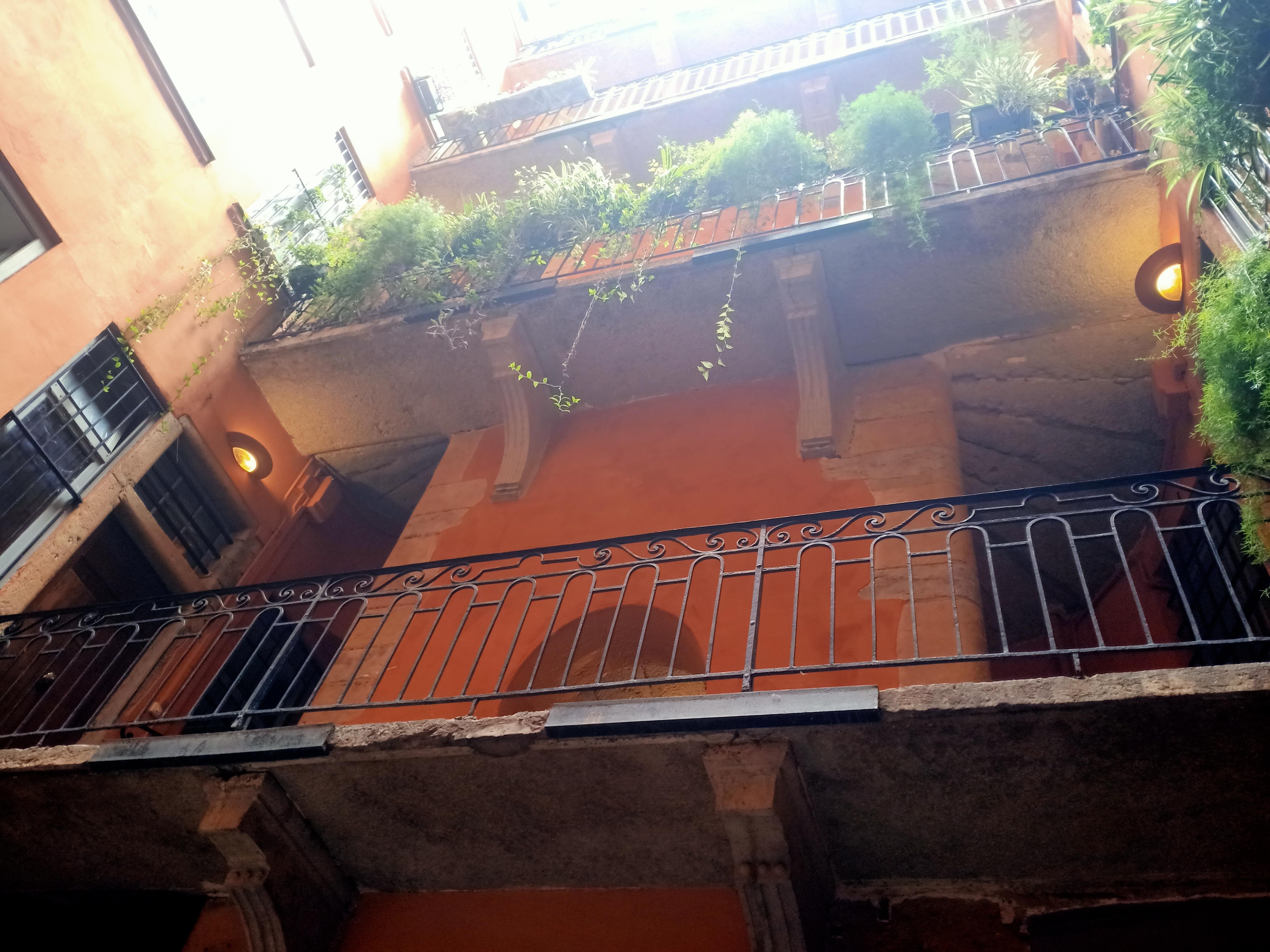
Known for its distinctive spiral staircase painted in warm ochre tones.
A historical square that serves as a gateway to several famous passageways.
They complement each other; most visitors who do both call the professional Lyon guided walking tour tours more immersive for decoding architectural secrets. Choosing a lyon traboules walking tour provides complete independence, while organized groups offer expert narrative depth.
| Feature | Top pick Self-Guided Tour | Guided Tours |
|---|---|---|
Access to hidden areas |
Public passageways only | Exclusive private courtyard access |
Historical context |
Self-paced research | Professional storytelling |
Cost |
0 EUR (summer) | 20–45 EUR (summer) |
Schedule flexibility |
Available 07:00–19:00 | Fixed booking times |
Social interaction |
None | Small group engagement |
Group size |
Individual | Variable 10–20 people |
| See tickets → |
Verdict: If you prioritize deep historical narrative over a lyon traboules walking tour tour itinerary, the paid experience is superior, whereas self-guided lyon traboules walking tour tickets allow for quiet, personal discovery.
Choose your ticket, select your date, and reserve in under two minutes. Secure checkout handled by our verified partner.
Instant confirmation by email, with a mobile voucher you can save offline. No printing, no queuing at a collection desk.
Arrive at the entrance, show your voucher on your phone, and walk in. Most tickets include priority or skip-the-line access.
Practical details for your visit straight from our verified partners — hours, access, rules, and how to get there.
Place Saint-Jean, 69005 Lyon
Primary meeting point for most local guides
Take Metro Line D to the Vieux Lyon stop. It is the central hub for starting a lyon traboules walking tour.
Wear comfortable walking shoes as the lyon traboules walking tour involves uneven cobblestones and spiral staircases. Modest attire is recommended when entering residential courtyards.
Keep belongings secure and close to your body while participating in a lyon traboules walking tour. Large backpacks are discouraged due to the narrow width of the passages.
Photography is permitted for personal use during your lyon traboules walking tour. Be mindful of residents and avoid photographing private apartment interiors or windows.
The historic design of the lyon traboules walking tour means many passages are inaccessible to wheelchair users. Expect steep, narrow, and winding stairs at most entries.
Keep mobile phones on silent mode while walking through the residential areas of the lyon traboules walking tour. Avoid making calls to maintain the privacy of local residents.
Children are welcome on any lyon traboules walking tour if they can manage frequent stairs. Please keep volume low as these corridors amplify sound in living spaces.
Consumption of food or beverages is not permitted inside the passageways. Please finish your meals before starting your guided Lyon secret corridors tour.
Pets are allowed on leashes provided they do not disturb residents. Ensure your pet is comfortable navigating steep stone steps and narrow stone thresholds.
The lyon traboules walking tour traverses private property protected by local agreements. Always stay on marked paths to ensure continued public access for everyone.
Place Saint-Jean, 69005 Lyon
Primary meeting point for most local guides
Get directionsBest time to go, insider tips, nearby landmarks, and the cancellation fine print — flip through to skim what matters to you.
How crowds, weather, and events shift across the year.
Early mornings are best to beat the heat and crowds. Temperatures average 25°C in August.
Mild weather provides comfortable walking conditions for extended tours. Ideal for exploring narrow passages without heavy coats.
Small details that turn a good visit into a great one.
Always remain quiet and walk quickly through residential corridors. These are homes, not museums.
Look for small brass plates or specific door styles that signal an accessible passageway. Not all doors are open to the public.
Non-bookable sights within a short walk — free to visit, easy to pair.
A grand Gothic cathedral featuring an astronomical clock. It anchors the historic district.
Flexible, no hidden fees.
Since entrance is 0 EUR, no financial cancellation applies to public access. Guided tours booked through operators follow the specific provider's terms of service.
Hand-picked options within walking distance — pick a district for vibe, or a specific hotel for convenience.
Stay in the heart of the historic quarter within walking distance of all secret paths.
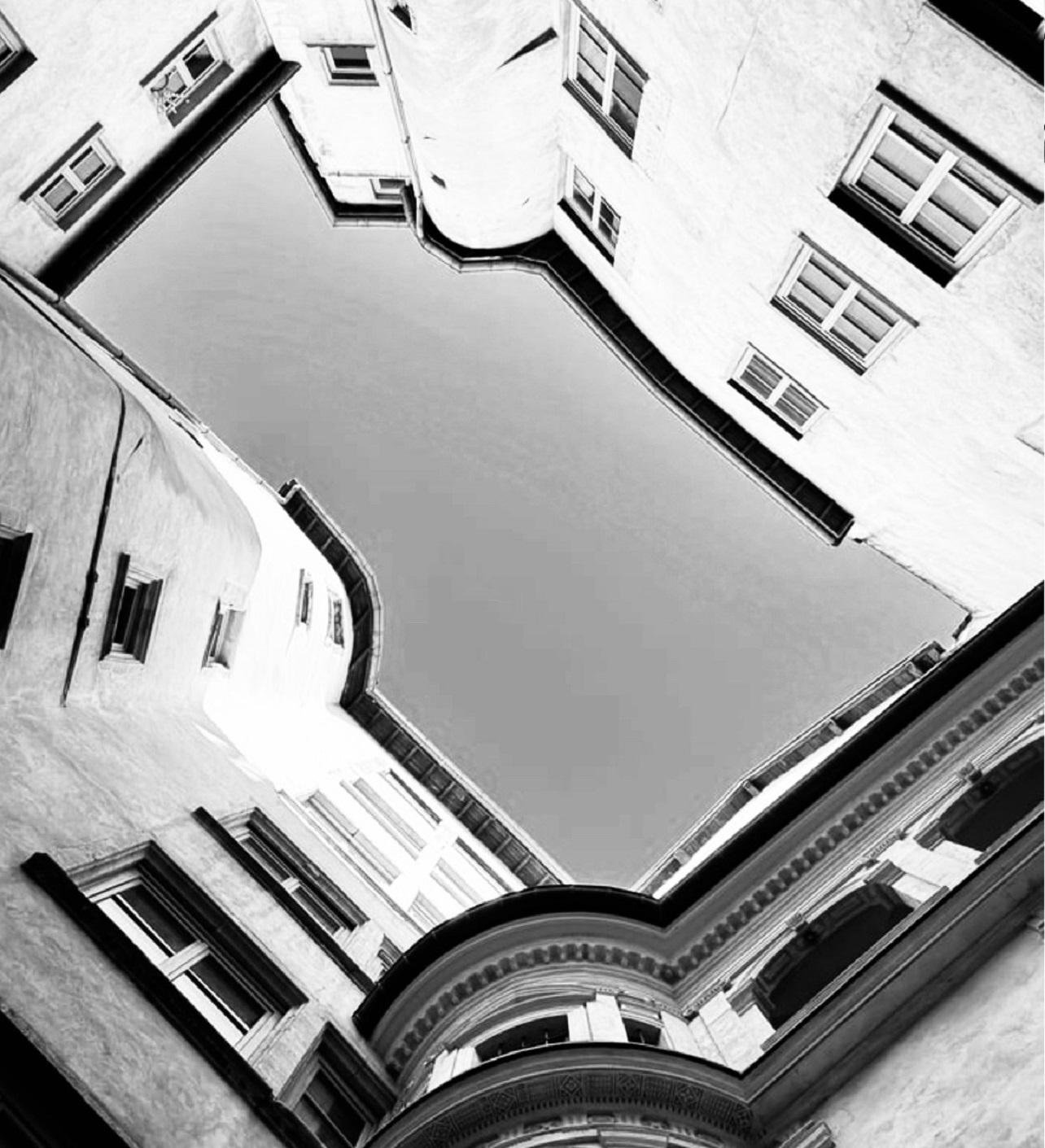
Vieux Lyon harbors 315 documented traboules — covered passageways threading through Renaissance courtyards — built between the 15th and 19th centuries to shelter silk weavers and merchants from rain as they transported bolts of fabric from hillside workshops to riverside warehouses. The word itself derives from the Latin trans ambulare, to pass through, and the network remains the densest collection of such passages in Europe. During the Second World War, Resistance fighters used the traboules to evade Nazi patrols, slipping between rue Saint-Jean and the Saône quays in under three minutes. Today fewer than forty remain open to the public, and even those require knowledge of unmarked doors and the courtesy to respect the residential courtyards they cross. The traboules of Vieux Lyon reveal the economic architecture of a city that supplied half of Europe's silk by 1550. Each passage links a street-level entrance to an interior courtyard, then continues through a second building to emerge one block away. The finest examples — 27 rue Saint-Jean, 54 rue Saint-Jean, and 2 place du Gouvernement — display vaulted ceilings, spiral staircases carved from single blocks of stone, and Italianate loggias commissioned by Florentine bankers who settled here in the 1460s. The passageways were not romantic afterthoughts but load-bearing infrastructure, designed to move goods without congesting the medieval street grid. Pink Couzon stone lines the walls, quarried ten kilometers north and ferried downriver on flat-bottomed boats. A Lyon traboules walking tour grants access to courtyards that remain private property, governed by door codes and residents' tolerance. Guides carry permissions negotiated with building syndicates, and morning departures between seven and eleven respect the quiet hours observed in these active neighborhoods. The route typically covers eight to twelve traboules within a two-hour window, including the Tour Rose courtyard at 16 rue du Bœuf, where a hexagonal stairwell rises four stories beneath an open well of sky. Without a guide, visitors stand before locked doors; with one, the Renaissance city unfolds in vertical section, layer by layer.
"The traboules were not romantic afterthoughts but load-bearing infrastructure, designed to move goods without congesting the medieval street grid."
A step-by-step walkthrough of the visit — what you'll see, how long each stage takes, and the details that matter.
You meet your guide at the base of rue Saint-Jean, where the cobblestones narrow and the façades lean inward. The first door is unmarked — pressed oak, knee-high iron latch — and your guide taps a four-digit code. You step into a courtyard flooded with morning light, three stories of gallery wrapped around a square of sky. A spiral staircase winds up the north corner, each tread carved from a single block of limestone. You cross the courtyard, pass through a vaulted corridor no wider than your shoulders, and emerge onto rue des Trois Maries, fifty meters from where you entered. The second traboule lies two doors down: you push through a curtain of ivy, climb a shallow ramp, and find yourself in the Tour Rose courtyard, where pink stone glows under the August sun. Your guide pauses at the hexagonal stairwell, pointing to the mason's mark chiseled into the fourth step — a compass rose, dated 1549. You continue through six more passages, each distinct in geometry and ornament: barrel vaults at 27 rue Saint-Jean, a double-helix stair at 54 rue Saint-Jean, a loggia overlooking the Saône at 2 place du Gouvernement. By the time you return to street level, you have crossed four blocks without using a public thoroughfare, moving through the city the way its builders intended — sheltered, efficient, and entirely hidden from the crowds along the quays.
Yes, public passageways are free with an entrance fee of 0 EUR.
The passageways are open from 07:00–19:00 daily.
Most passages are not accessible due to ancient stone staircases.
The best arrival window is 07:00–11:00 to avoid crowds.
Yes, but please respect the privacy of local residents.
Yes, children are welcome but must be able to climb stairs.
Public access is free, but you must purchase lyon traboules walking tour tickets for professional guided experiences.
Guided tours usually last between 90 and 120 minutes.
No, please keep the corridors clean and do not bring food or drinks inside.